Razia Sultan: How a Story Became My Language of Feminism | by Srijani Mitra
Personal Essay | Historical Heriones & Archetypes
My first understanding of feminism did not come from a classroom, a manifesto, or even a book that called out injustice outright. It came through a story, one I encountered long before I had the words to understand what it was teaching me. It came through Razia Sultan.
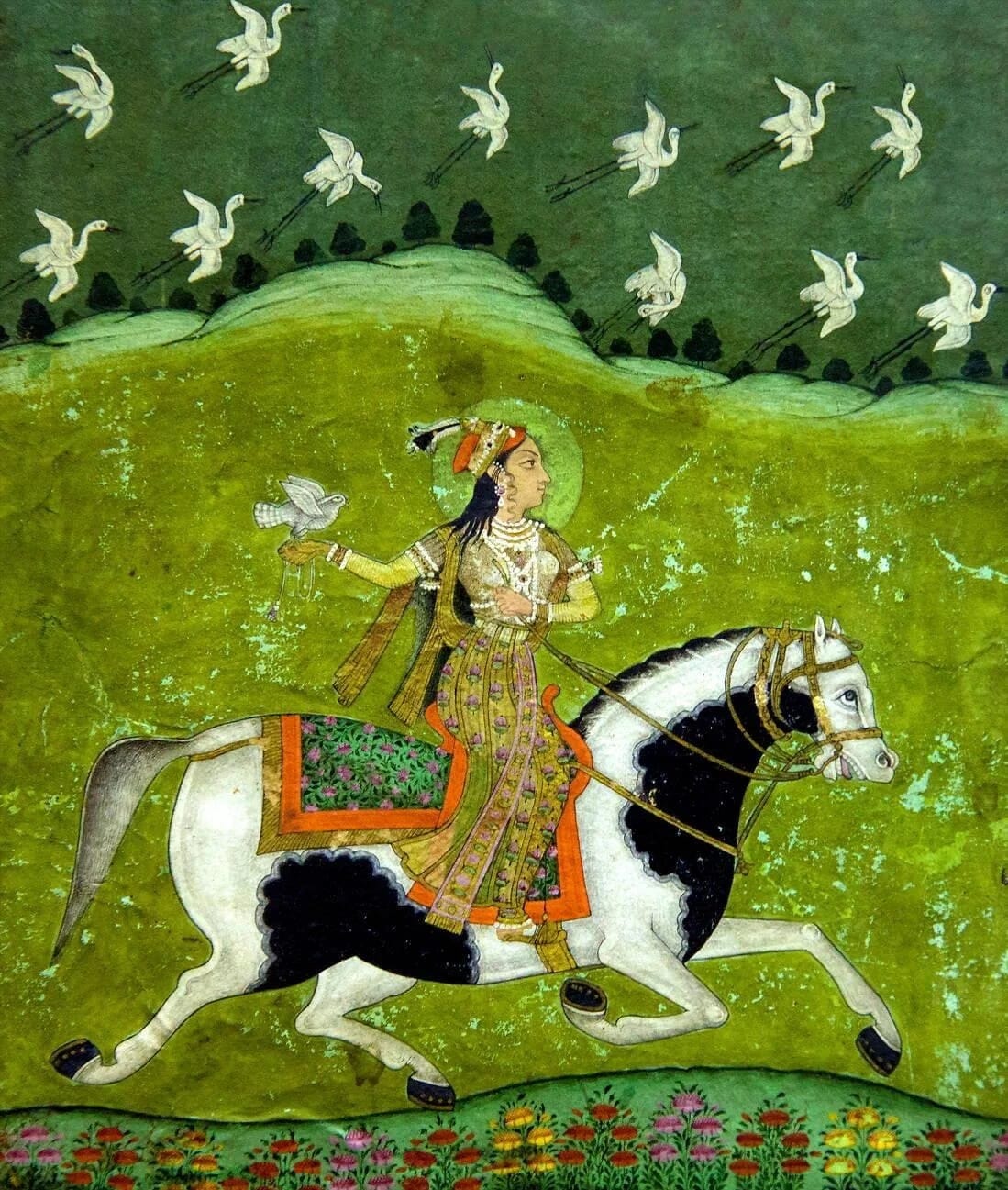
I learned her name as a child, when history still felt half-mythical and stories travelled like secrets. Razia was spoken of as something almost unbelievable, a woman who ruled Delhi, who led armies, who sat on a throne built to exclude her. She arrived in my imagination not as an academic figure, but as a disruption. She unsettled something before I knew it needed unsettling.
I did not know the word “feminism” then. But I knew what it meant to be told, quietly and repeatedly, to shrink.
Razia Sultan and the Possibility of Defiance
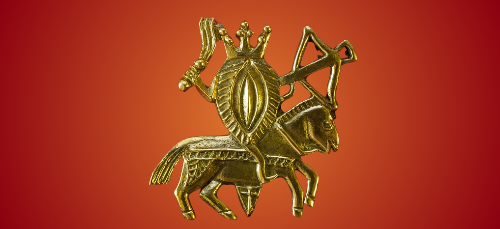
Razia Sultan became my first vocabulary for courage. I read her story obsessively in Amar Chitra Katha, and later watched the television adaptation of her life with unwavering attention. What fascinated me was not only that she ruled, but how she ruled. She rules by refusing to perform femininity as submission. She wore what she wanted, led whom she chose, and challenged the idea that power belonged naturally to men.
Only much later did I understand the political stakes of her reign: the hostility of the nobility, the fragility of her rule, the way her authority threatened entrenched hierarchies. But as a child, I understood something more instinctive. Razia represented proof. Proof that women’s power was not an invention of modernity, not an anomaly, not a mistake. Proof that the world had lied to me about what women could be. Her story mattered because nothing in my immediate reality resembled her.
Growing Up Inside Violence
My childhood was shaped by an early intimacy with violence, not the spectacular kind, but the quiet, domestic kind that reorganizes your body before it reaches your mind. Violence that lives in closed doors, in sudden silences, in the constant scanning of moods. Violence that teaches a girl to be alert, compliant, and afraid. There was physical abuse. There was emotional control. There was the constant reminder of hierarchy, who spoke, who decided, who was allowed anger, and who had to endure it. I learned very early that power could wound, that silence could be a form of survival, and that obedience was often demanded in the name of love. I did not yet have the language to call this patriarchy or abuse. But I understood injustice intimately. I understood that my body was not fully mine. I understood that raising my voice came at a cost.
Starting at $2 USD per month | Access to complete posts, Gorgon Posse videos, Commenting & conversation, External reading recommendations, & Special Event invitations.
First month always free.